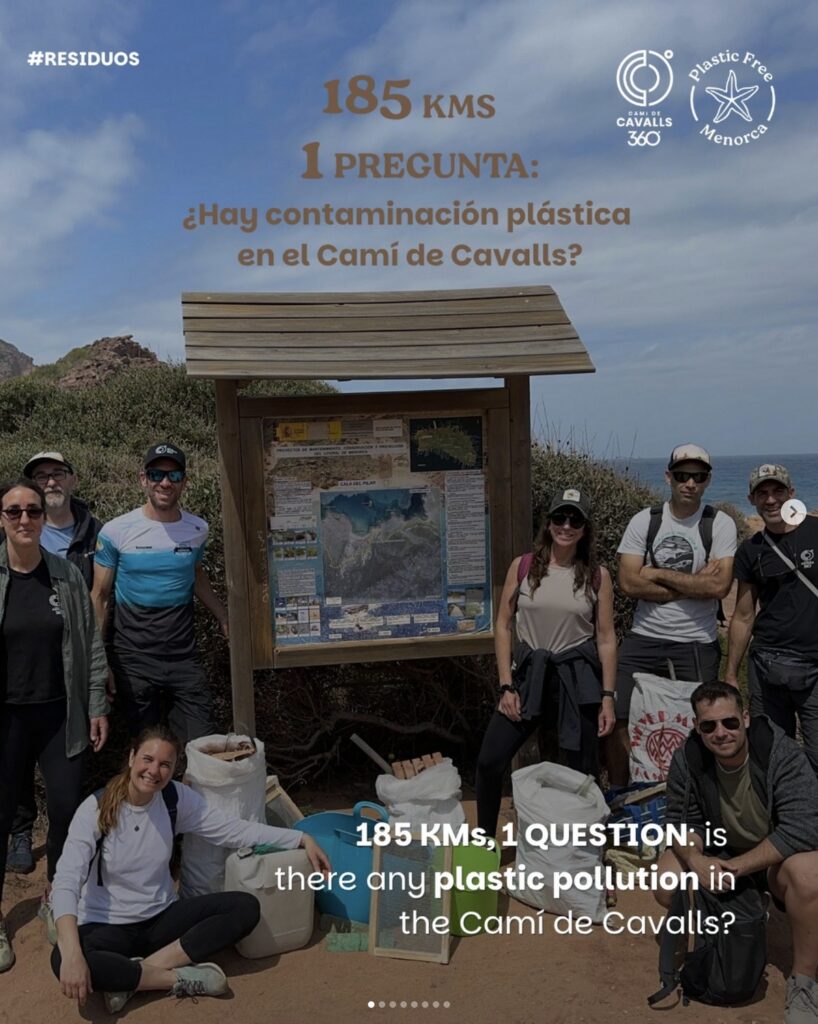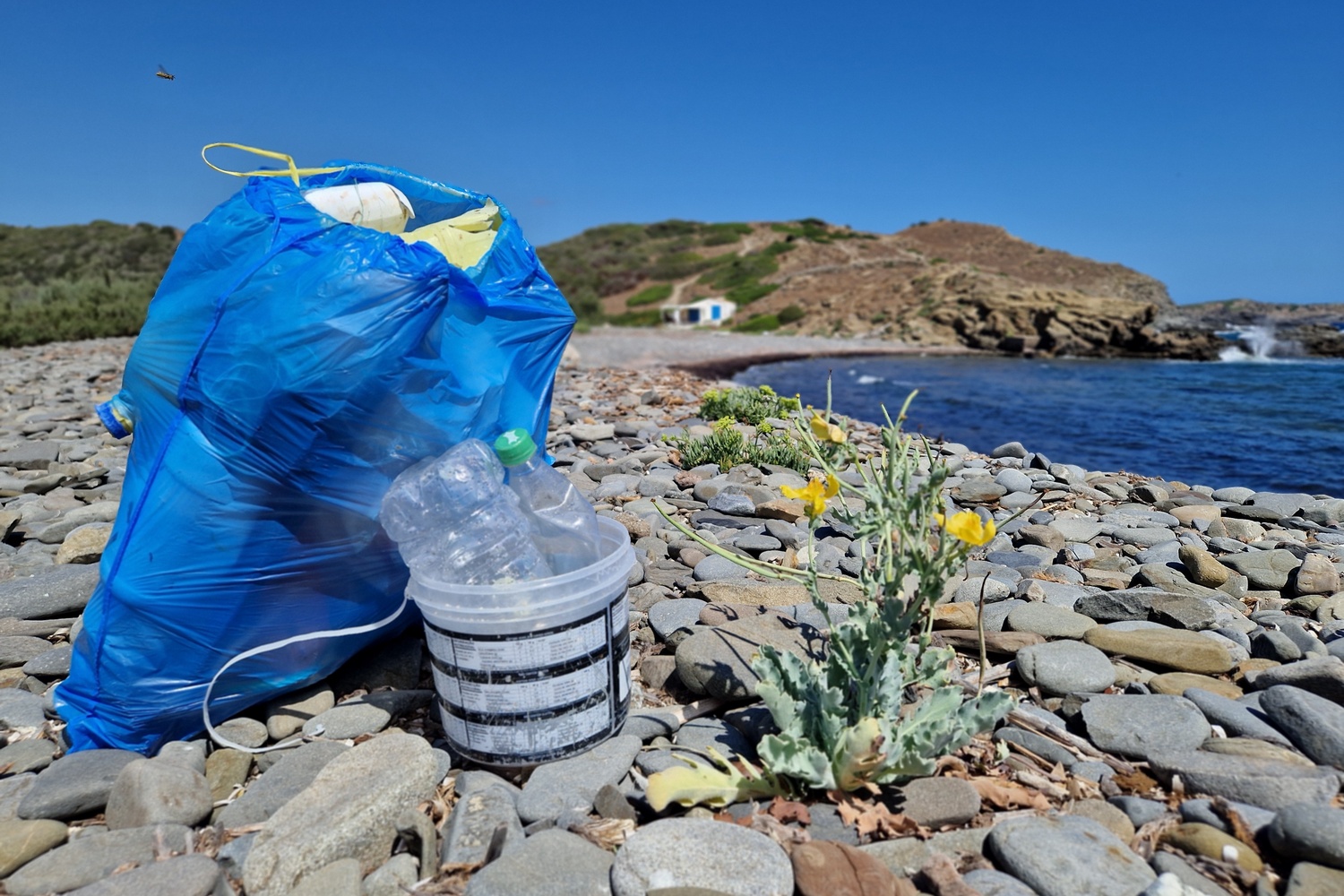
At 40 Nord Outdoor, we carried out a study on the presence of plastic waste along the Camí de Cavalls to understand where it accumulates and where it comes from. Our ultimate goal is to help guide effective actions that reduce its presence.
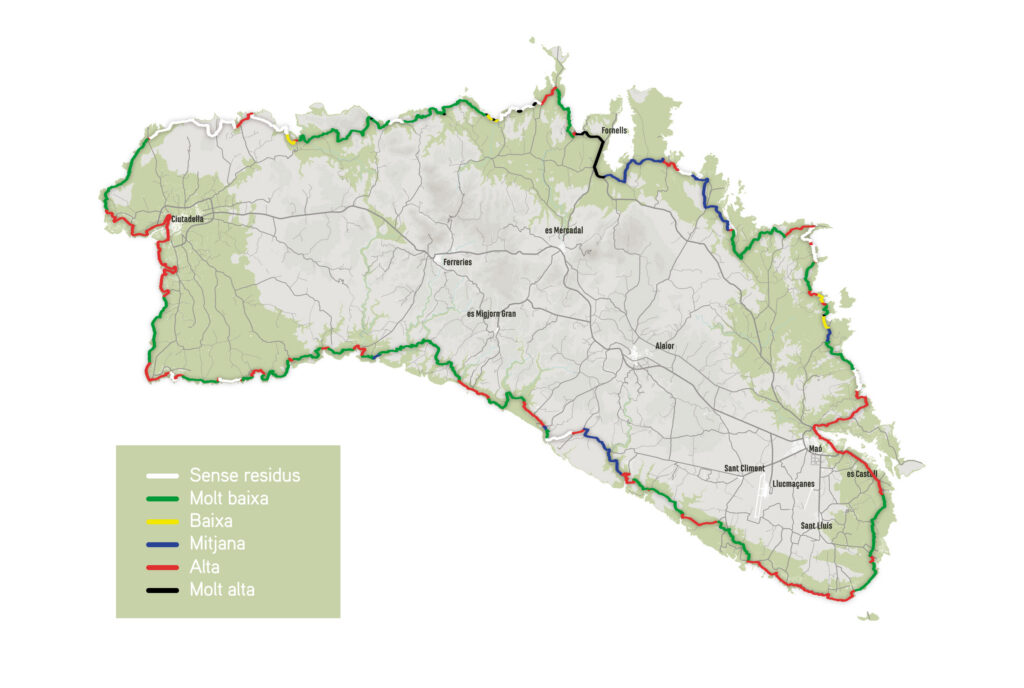
The surrounding environment and the type of visitors using each section of the route are the two factors that best explain the distribution of plastic waste along the Camí de Cavalls—far more than any other variable. This is the main conclusion of the study carried out by 40 Nord Outdoor S.L.
For us, the Camí de Cavalls is much more than a route or a playground for hikers, trail runners and mountain bikers. It is a natural and cultural heritage site that deserves to be understood, respected and preserved. That is why the presence of litter—and plastic waste in particular—is a matter of real concern, both because of its environmental impact and because of what it says about the way we relate to this unique landscape.
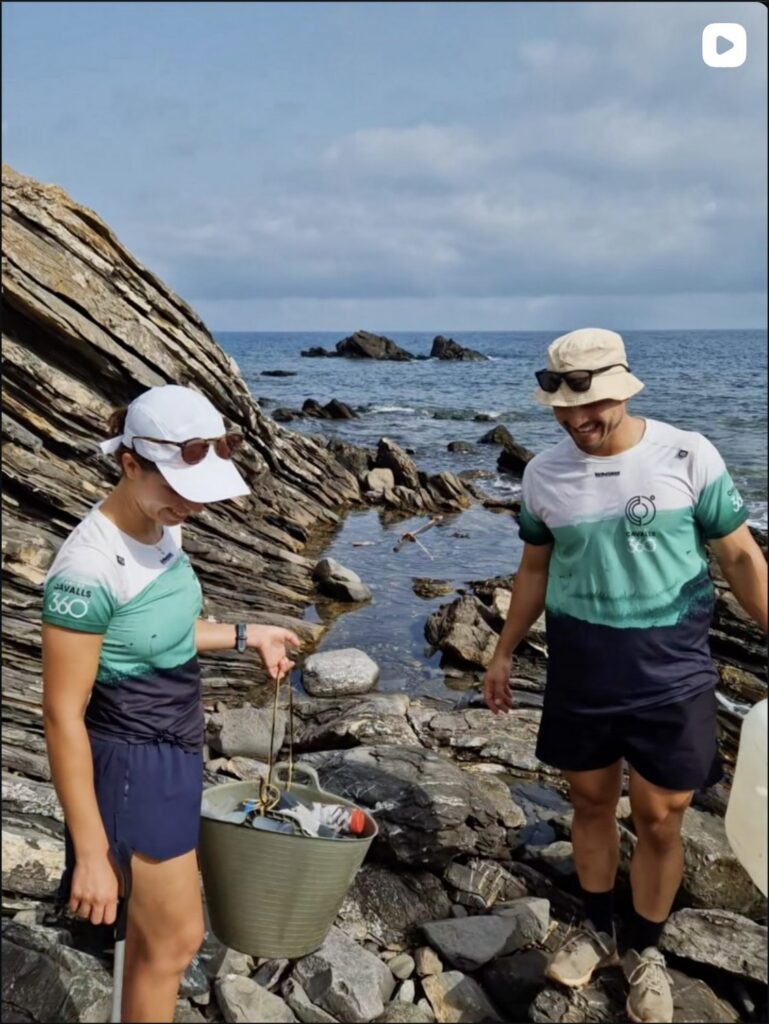
Our commitment has already taken many forms. In recent years, we have organised regular litter-picking events as part of the 0º Plastic initiative. We have also joined the Plastic Free Menorca Alliance through its Menorca Sense Plàstic commitment. This study is the latest step in that effort. Its findings provide a solid foundation for realistic awareness campaigns, management strategies and conservation measures, while helping to focus efforts where the problem is actually concentrated.
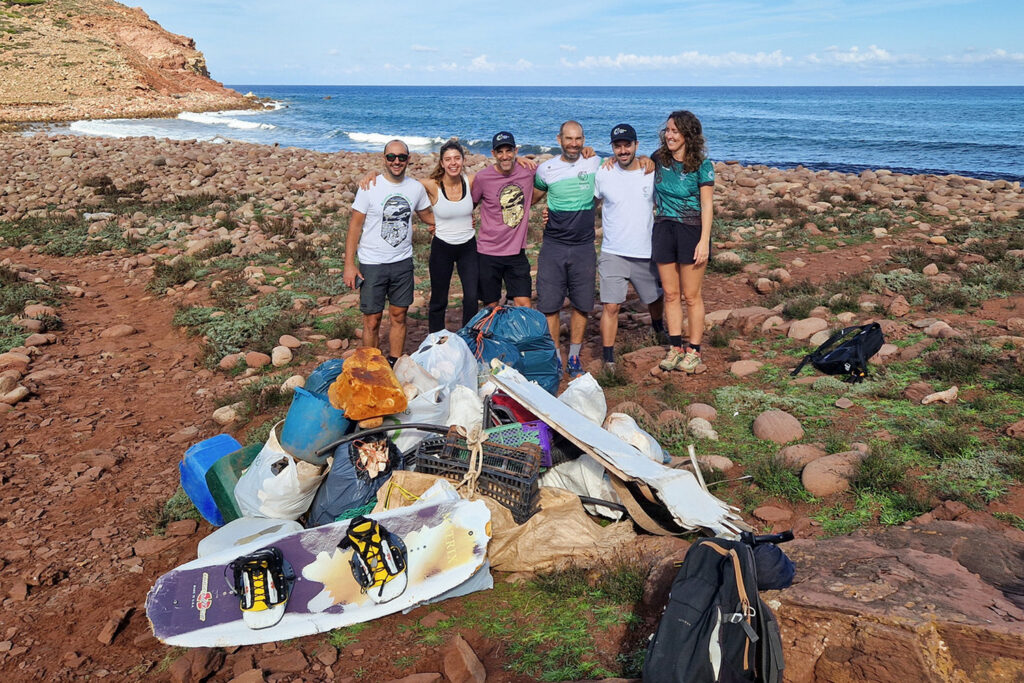
Fieldwork on the trail
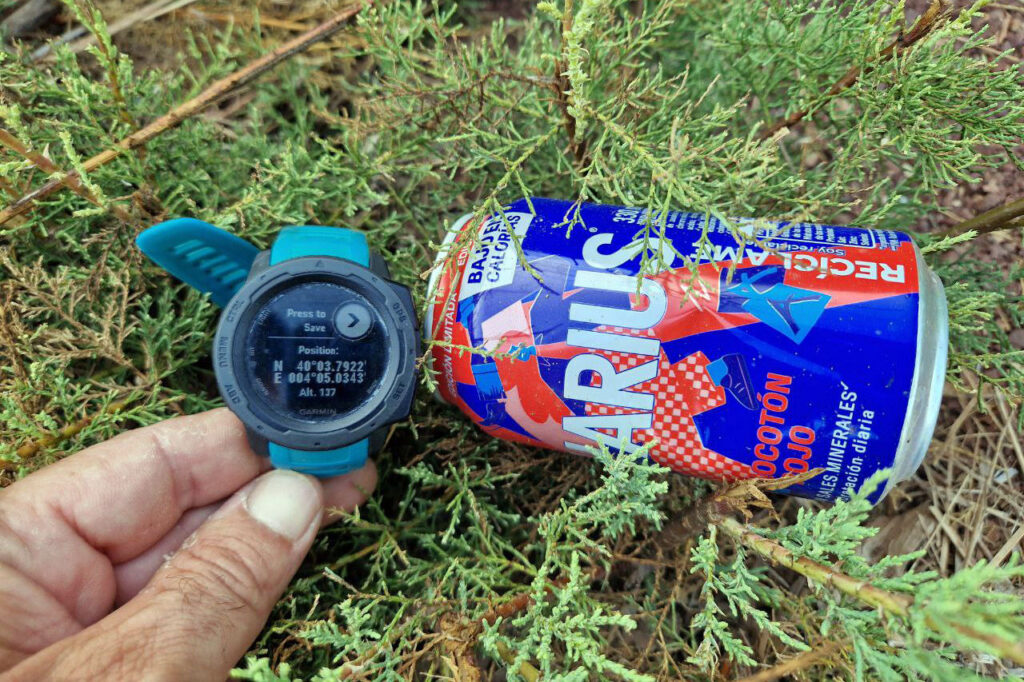
The fieldwork phase of the study was carried out between 15 and 31 July 2025. A team of four people walked the entire 185-kilometre Camí de Cavalls, recording the location of every plastic item they found and documenting it with photographs.
The work continued until January 2026, when all the information had been digitised, organised and analysed. Each section of the route was classified according to its concentration of plastic waste and categorised based on its surrounding environment and the types of users most commonly found there.
Key findings
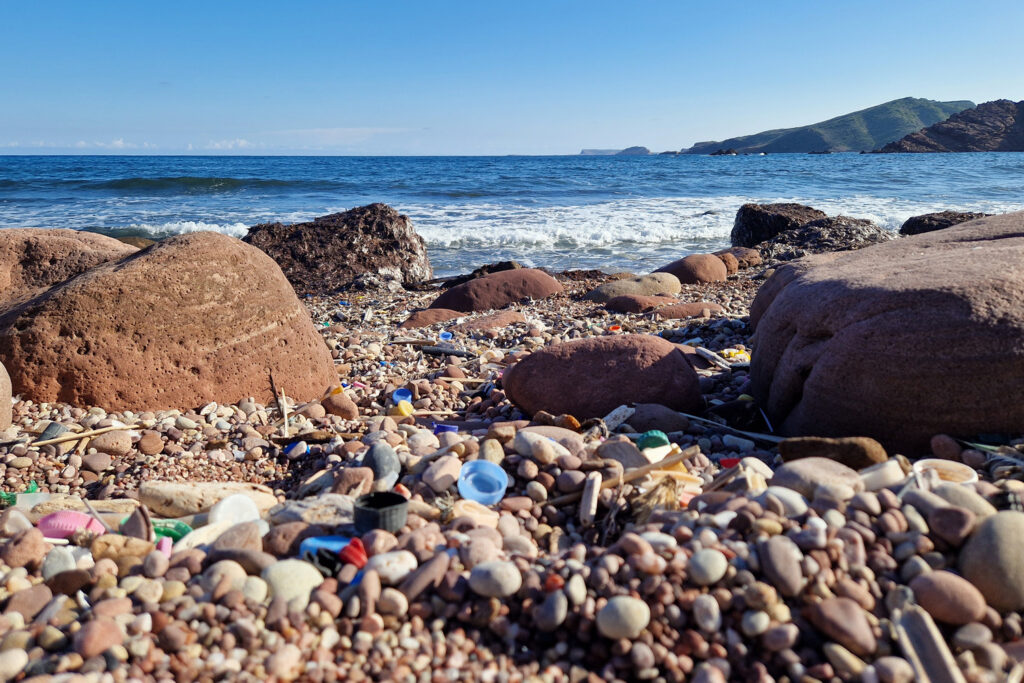
The study’s main findings relate to how plastic waste accumulates in different types of environments. The highest concentrations were found in coastal hotspots—small coves, cliffs and areas where marine currents wash ashore floating debris—as well as in car parks and access points, roadside sections, urban areas and heavily visited beaches.
One particularly important finding is that sections with very high concentrations of plastic waste are almost always those dominated by marine dynamics. Along the coastline, litter can accumulate even where there is little human activity, simply because the sea acts as both a transport mechanism and a natural collection point for floating waste.
By contrast, the island’s more natural environments—including woodlands, open coastal landscapes and agricultural areas—generally showed either no plastic waste or only very low concentrations.
The analysis also revealed a clear relationship between the type of users and the amount of litter recorded. Sections mainly used by hikers and mountain bikers consistently showed little or no plastic waste, regardless of how busy they were. Areas frequented by occasional walkers tended to show moderate levels of litter, while beaches, urban streets and roadsides—places dominated by beachgoers and everyday urban activity—were associated with the highest concentrations.
Another key conclusion is that the most significant litter hotspots are not actually caused by the Camí de Cavalls itself. Instead, they are linked to waste carried ashore by the sea, together with litter generated around urban areas, access points and car parks.
Targeted action where it matters most
Now that the main patterns have been identified, we believe this study can help guide actions that make a genuine difference. A relatively small number of locations account for a large proportion of all the plastic waste recorded along the route. Focusing conservation and clean-up efforts on these priority areas will be essential if we want to reduce litter effectively along the Camí de Cavalls.
This is precisely why 40 Nord Outdoor S.L. decided to carry out the study: to move beyond assumptions and base future decisions on evidence. The next challenge is to turn these findings into shared action involving local organisations, public authorities, the tourism sector and, above all, everyone who loves and explores Menorca.
Download link: Study on plastics on the Camí de Cavalls