Camí de Cavalls 360º is a 185 km circular route around Menorca. Completing it on foot is a unique experience—but it does require a minimum level of proper physical preparation. Here’s everything you need to know.
One of the most common questions we get from our participants is: “Am I in good enough shape to do Camí de Cavalls 360º?” The answer is almost always yes. However, there are two important points to keep in mind. First, it’s essential to choose the right option and number of stages so that each day fits your abilities. Second, your fitness level can be improved more easily than you might think. That’s where preparing for a multi-day hiking route comes in.
Camí de Cavalls 360º is not an elite challenge. You don’t need to be a professional hiker or runner. But it is a long route, with varied terrain and stages that involve walking for several hours a day. Your body needs to be ready for that.
What does Camí de Cavalls 360º demand physically?
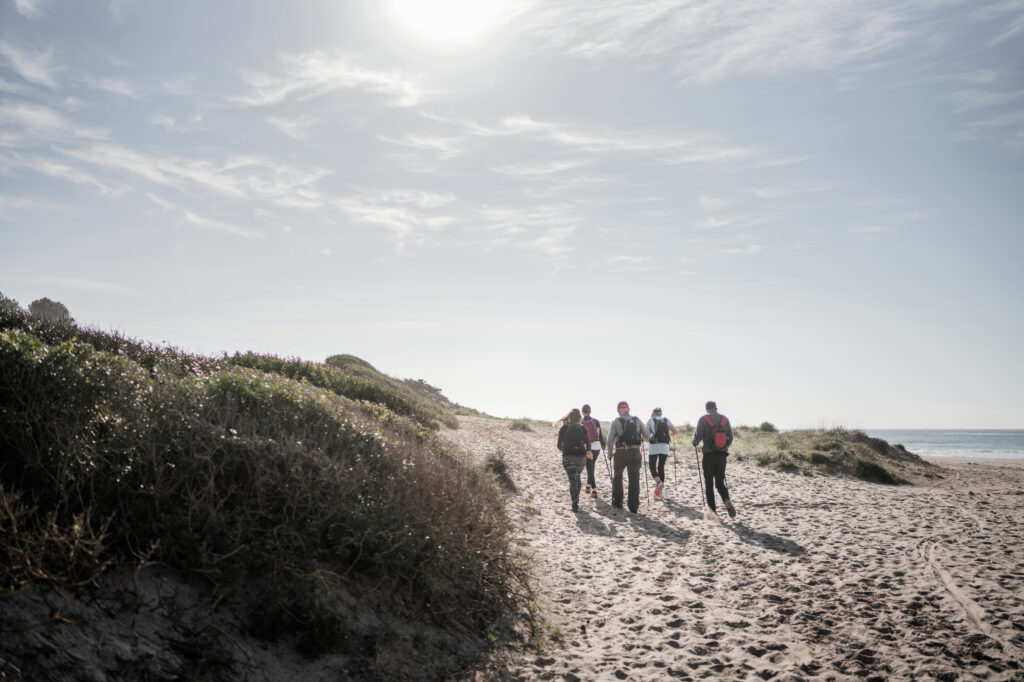
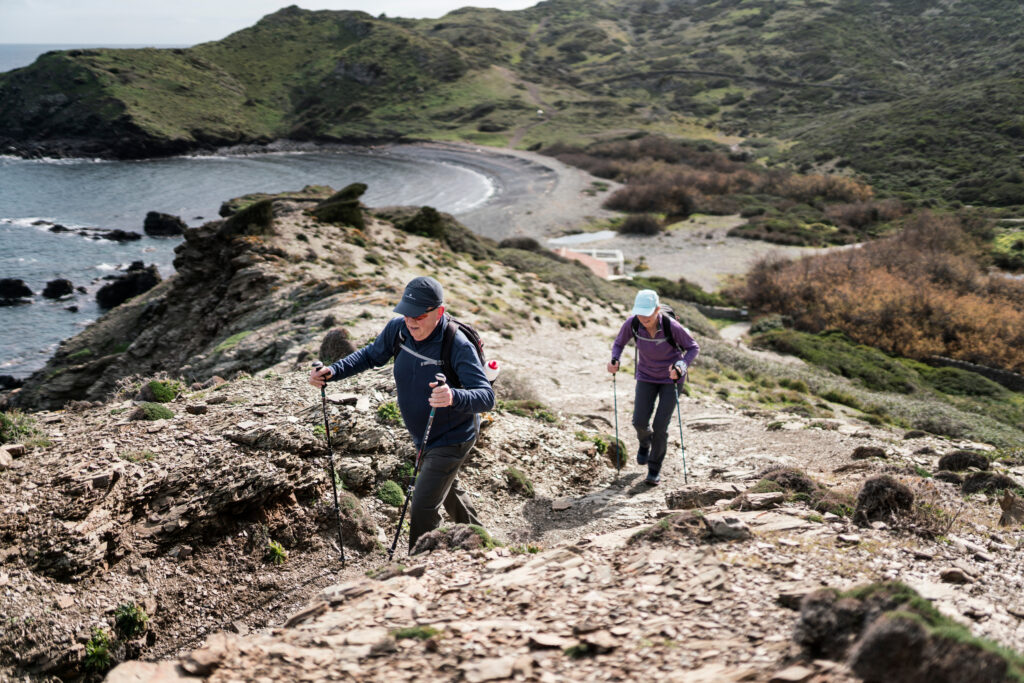
Before talking about training, it’s important to understand what the route involves in physical terms. The full 185 km route is divided into daily stages ranging from 14 to 35 km on foot, depending on the total number of stages. The elevation gain is moderate but constant, and the terrain is particularly demanding, combining dirt paths, rocky sections, beaches and occasional stretches of track or asphalt in built-up areas.
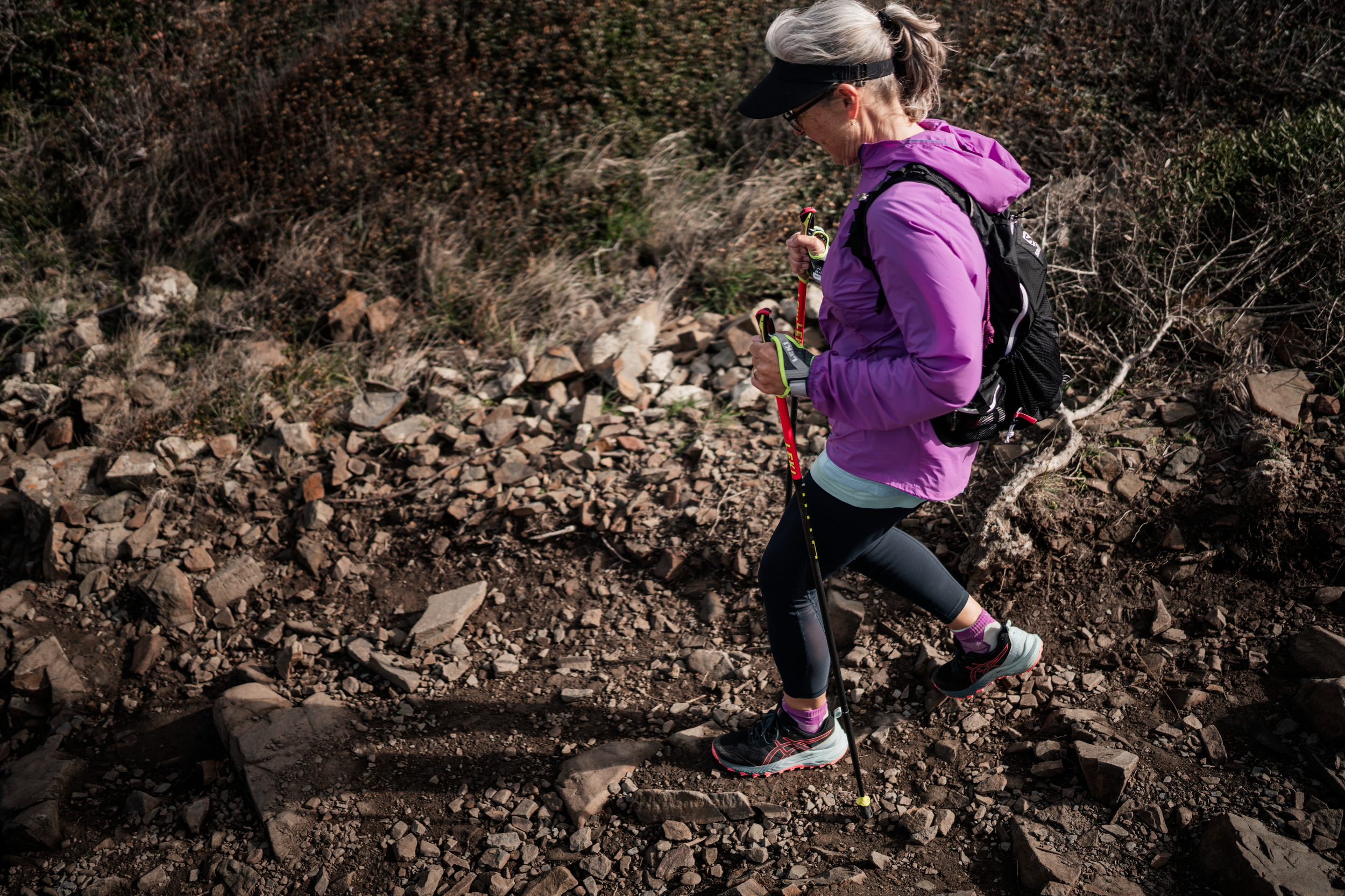
Throughout the route, different muscle groups are put to the test. Your quadriceps and hamstrings, calves and ankles, as well as your lower back and core, all play a key role. Your shoulders and the soles of your feet also take on a lot of strain, and even your neck can suffer from carrying a backpack. Good preparation isn’t about getting these muscles ready for a single effort, but about training them for repeated, cumulative effort. The first day can often feel like a shock, but fatigue builds up and can lead to additional issues over the following days.
One of the most common mistakes is training for just one long walk. Camí de Cavalls 360º requires you to head out walking day after day. Your body needs to learn how to recover quickly, not just how to endure.
How long do you need to prepare?
The answer depends on your starting point. If you already do regular physical activity—whether that’s walking, going to the gym or practising another sport—around eight weeks of specific preparation is usually enough. If you’re starting from a more sedentary situation, it’s advisable to allow at least sixteen weeks.
Preparation tips
Preparing for a multi-day hiking route with uneven terrain and long days is mainly about building a solid and realistic foundation, rather than following a strict plan. Your preparation should adapt to your starting point, your experience, the constant ups and downs typical of Menorca, the weight of your backpack and your ability to recover. It’s possible to improve a lot in eight weeks, but the key lies in progression: building consistent weeks, increasing the load gradually and avoiding both sudden jumps and overly intense, sporadic training sessions.
Aerobic endurance
Your main focus should be aerobic endurance, as a route like this requires sustaining several hours of movement at a moderate intensity. However, simply walking more isn’t enough. You also need functional strength—especially in your legs and core—to climb efficiently, descend with control and maintain stability on uneven terrain.
Get used to your backpack
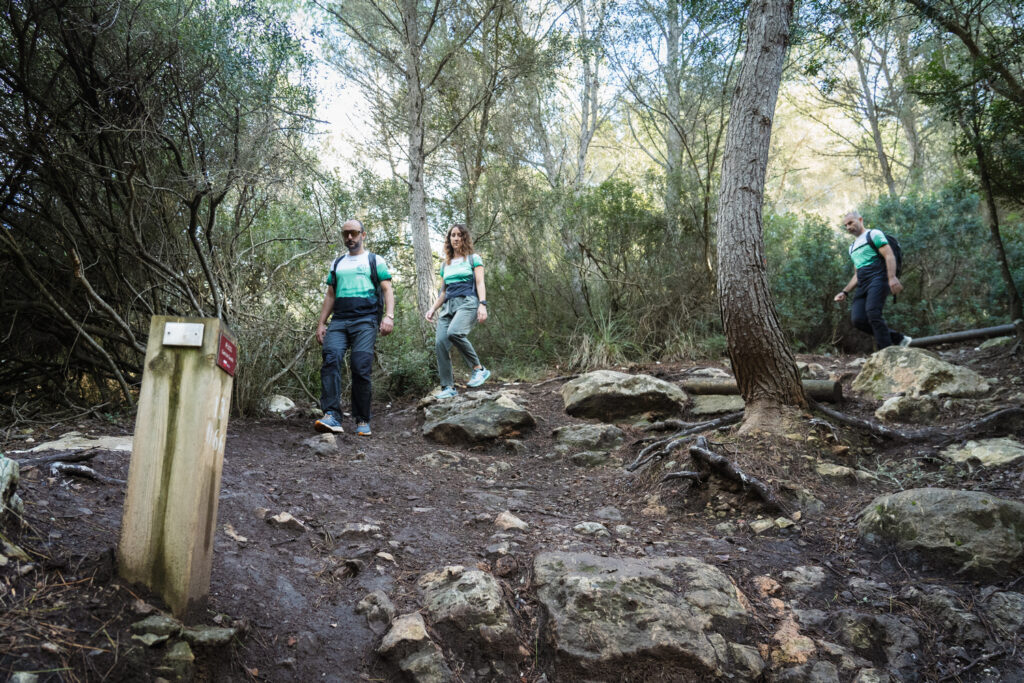
It’s also important to gradually get used to carrying your backpack and, whenever possible, to train on terrain similar to what you’ll encounter on the route. As the date approaches, it’s helpful to expose your body to consecutive days of activity to see how it responds to accumulated fatigue.
Recover properly
Recovery is just as important as training. Rest allows your body to adapt to the workload and reduces the risk of overuse injuries. It’s also essential to test your footwear, socks, nutrition and hydration during effort beforehand, because on a long route, small issues can quickly turn into big problems.
In conclusion
Ultimately, good preparation is about understanding exactly what the route will demand and adapting your training to your personal situation. The goal is to reach the starting point with enough endurance, strength, tolerance to fatigue and a sufficient margin to handle several consecutive days safely.
In the end, preparing properly comes down to:
- Building consistency over time
- Prioritising endurance, strength and stability
- Getting used to your backpack and similar terrain
- Testing your gear and nutrition in advance
- Allowing enough recovery to absorb the training load.
Ready to start preparing?
Check out our hiking programmes and choose the number of stages—between 6 and 13—that best suits your level and availability.
Fill in and send our no-obligation booking form to select your preferred accommodation and travel dates. We’ll be waiting for you!